Key points
- Stadin engineered the structures of 20 TransJakarta bus stops in Jakarta, recorded in 2023.
- The stops in this project are one and two storeys high and sit on many corridors.
- Repeated design makes calculation, fabrication and installation more efficient.
- Foundations and interfaces still have to suit each individual site.
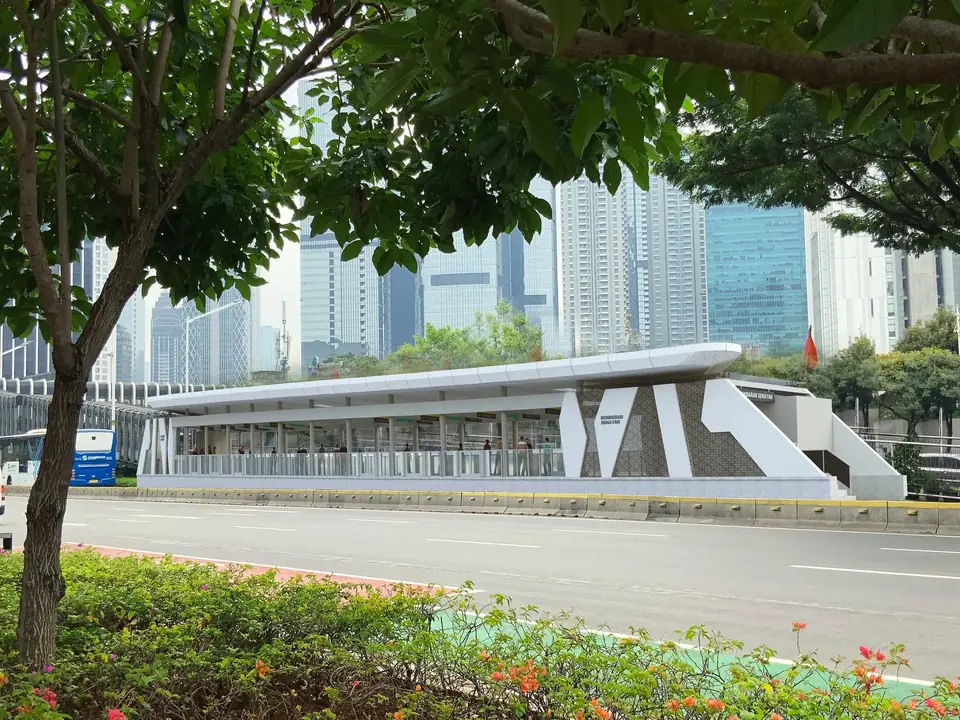
Stadin does not only design tall buildings. Our project records include one job that is small per unit but large in number: 20 TransJakarta bus stops in Jakarta, recorded in 2023, each one or two storeys high. This article sums up the facts of our TransJakarta bus stops project and explains why repeated design is the key to efficiency on work like this.
Facts about the 20 TransJakarta bus stops
These are the recorded facts for the 20 TransJakarta Bus Stops project:
| Item | Detail |
|---|---|
| Location | Jakarta |
| Scope | 20 bus stops |
| Storeys | 1 and 2 storeys |
| Year | 2023 |
| Sector | Transport infrastructure |
The project gallery shows 18 of them: Masjid Agung, Polda Metro Jaya, Bendungan Hilir, Karet, Pulomas, Indosiar, Grogol 1, Grogol 2, Halimun, Jembatan Baru, Pasar Rumput, Cawang UKI, Slipi Petamburan, Pancoran Barat, Tanah Tinggi, Benyamin Sueb, Danau Sunter Barat A and Danau Sunter Barat B.
Spread across many corridors
These stops sit on many different TransJakarta corridors. According to 2023 news reports on temporary closures during the revitalisation works, several of them are on these corridors:
- Corridor 1: Karet.
- Corridor 2: Pulomas.
- Corridor 3: Jembatan Baru and Grogol 1.
- Corridor 4: Pasar Rumput.
- Corridor 7: Cawang UKI.
- Corridor 9: Slipi Petamburan, Pancoran Barat and Grogol 2.
Tanah Tinggi, Benyamin Sueb and Danau Sunter Barat A and B were announced in 2023 as new stops on corridor 14. So the project covers stops spread across West, East and North Jakarta, each with different site conditions.
Context: the TransJakarta bus stop revitalisation
The recorded project year, 2023, falls within the TransJakarta bus stop revitalisation programme. It started in mid-2022 to add capacity and facilities. In November 2023, news reports said 45 stops were in the programme and 34 were complete.
During the works, several stops closed temporarily and passengers were sent to alternative stops. Karet on corridor 1 and Slipi Petamburan on corridor 9, for example, closed from 31 May 2023. For designers, this makes time on site valuable: the less work that has to happen on the road, the sooner the stop can serve passengers again.
Why repeated design is efficient
Twenty bus stops do not mean twenty completely different designs. When a project has many similar buildings, the efficient approach is a standard structural system and set of typical details that can be reused, then adjusted to each site. The benefits:
- More consistent calculations. The same system, connection types and typical details make checking easier and reduce the risk of errors between stops.
- Faster fabrication. Members of the same size can be made in series in a workshop and then installed on site.
- Installation next to live traffic. Bus stops sit in or beside busy roads. Typical components help the contractor plan the installation sequence and shorten the time spent on site.
- Easier maintenance. The asset owner manages one set of details and spare parts for many stops.
Tip: Repeated design does not mean copying drawings blindly. Soil conditions, buried utilities, working space and links to pedestrian bridges can differ at every location, so each site still needs to be checked.
What still changes from site to site
Even with a typical structural system, some things nearly always need adjusting for each stop:
- Foundations. Soil bearing capacity and the presence of drains, cables or pipes under the road affect the type and position of foundations.
- Number of storeys. The project records list one- and two-storey stops. A two-storey stop carries larger loads and needs stairs or another form of vertical access.
- Links to other facilities. Stops connected to pedestrian bridges or other transport modes have structural interfaces that need their own design.
- Loads and vibration. A bus stop carries crowd loads, wind on the roof and vibration from nearby traffic. An engineer calculates all of these to the applicable standards.
- Exposure. Bus stops stand in the open, close to traffic fumes and standing water after rain. Material choice, corrosion protection of steel members and roof drainage details all affect service life.
Part of our transport infrastructure portfolio
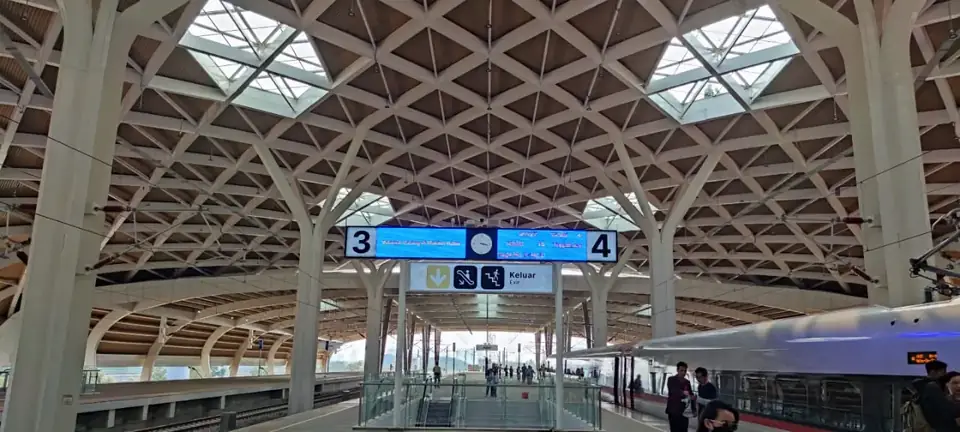
The bus stops belong to Stadin's transport infrastructure portfolio, alongside high-speed rail stations and bridges. You can read about our bridges in the article Stadin-designed bridges.
Conclusion
The 20 TransJakarta bus stops show that small buildings built in large numbers also need careful structural planning. The key is a system and details that can be reused, combined with a check of every site. For public facilities with many similar units, talk to Stadin about structural design.
This article provides general information. Every project still needs to be analysed and calculated by a competent structural or geotechnical engineer, in line with the applicable SNI codes and regulations.
Sources
- Proyek Revitalisasi 45 Halte TransJakarta Ditargetkan Rampung 2024 (Medcom.id)
- 10 Halte TransJ Tutup Selama Revitalisasi, Ada Bundaran Senayan-Cawang UKI (detikNews)
- New on Transjakarta: Revitalisations, Bus Stops, and Faster Time (Jakarta Smart City)
- Data proyek: company profile PT. Stadin Strukturindo Konsultan (2026)